Showing posts with label Missouri. Show all posts

Shatto Farms

We're busy exploring several new ideas such as; sourcing local products, heirloom vegetables and organics to name a few. These are not simple objectives even for an independent restaurateur, but getting your head wrapped around doing these things on a nation wide basis isn't easy.....but we're no stranger to taking the road less travel, it's what we do and it's always been pretty damn exciting. With those thoughts on our minds, we arranged to tour the Shatto Milk Company today, our guide was Leroy Shatto. Leroy is a "Milk Artisan", the milkmeister is an unwavering fanatic about quality and his passion shows through in every bottle of milk, pound of butter and gallon of ice cream.

Shatto Milk Company is a small, family owned and operated, dairy farm located just north of the Kansas City metropolitan area. The family has been farming there for more than 100 years and began a dairy farm more than 60 years ago. In June 2003 the family began processing their own milk on the farm. They decided to bottle their own milk for the purpose of providing their customers with the freshest and best tasting dairy products possible.


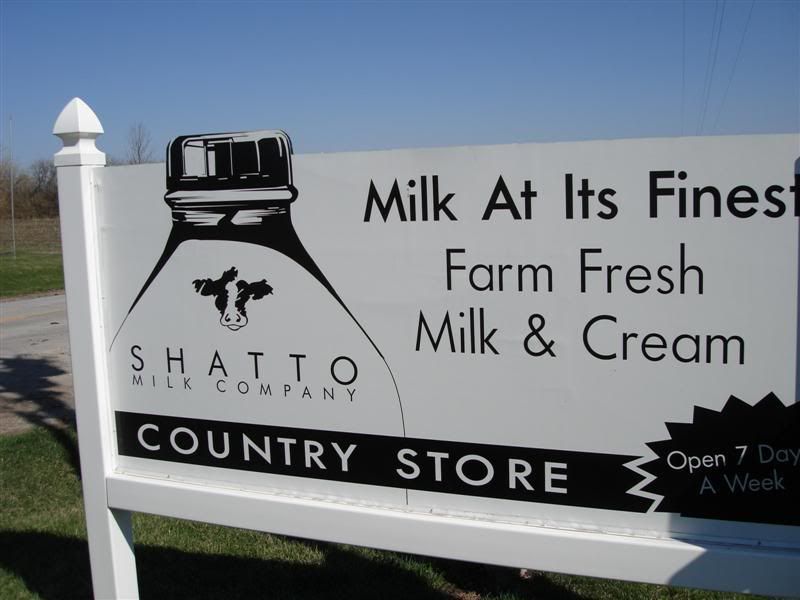
Shatto Milk Company products can be described by one simple statement that they have adopted as their motto, MILK AT ITS FINEST. They go to great lengths to insure that the products they sell are truly the freshest and best tasting.

  • The milk sold by Shatto Milk Company comes from cows not treated with rbST (recombinant bovine somatotropin) or recombinant bovine growth hormone (rbGH).**
  • Shatto Milk comes only from the cows located on the family farm.
  • Shatto Milk can be from the cow to the store in as little as 12 hours.


Leroy Shatto
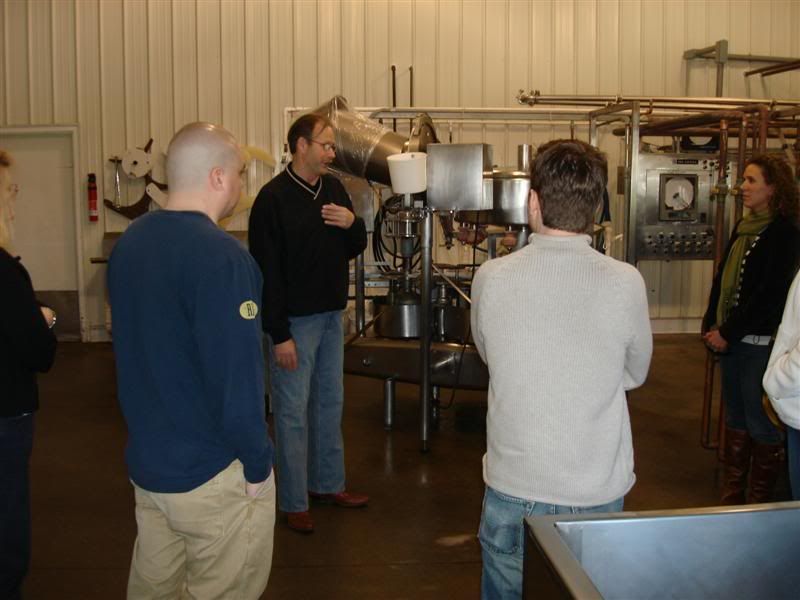


The bottling line


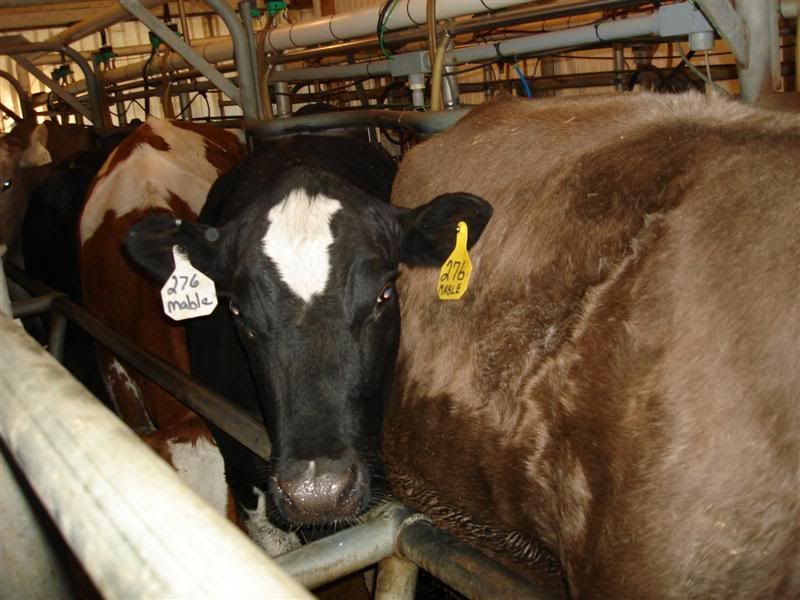
Milking stalls


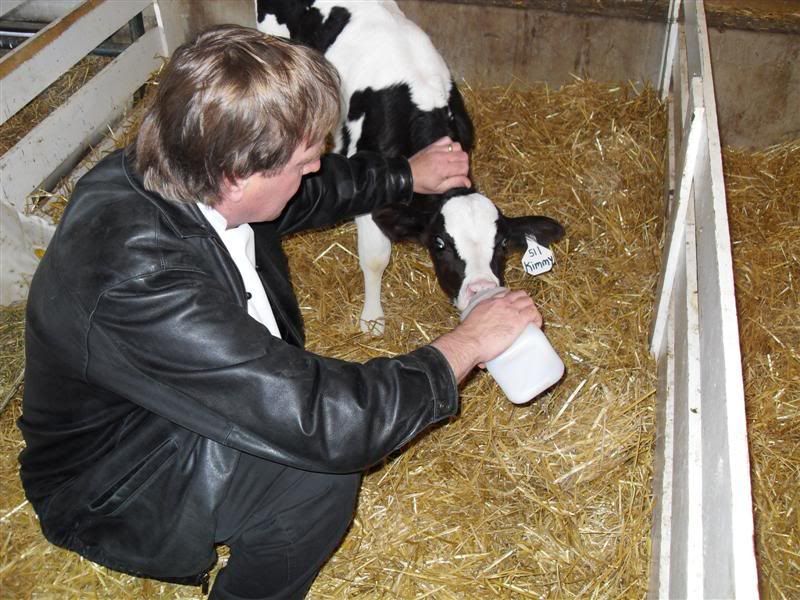
Myself feeding the calves

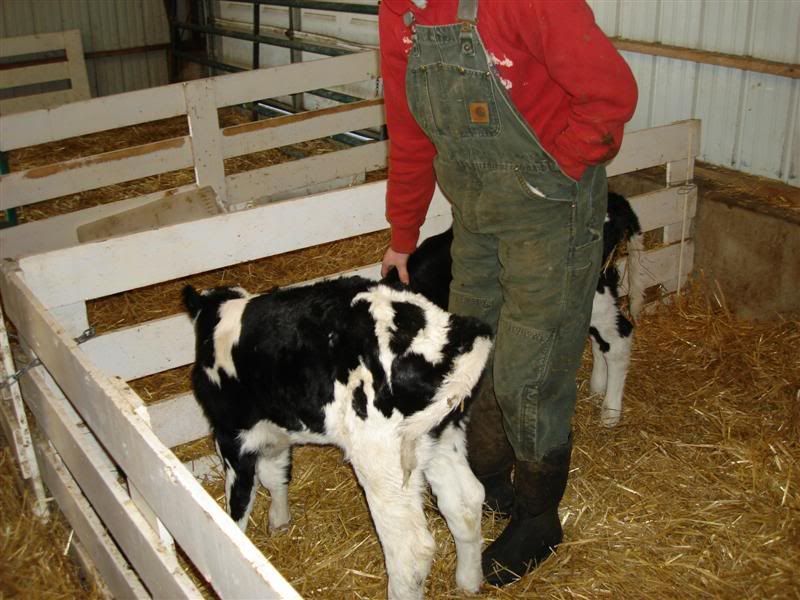
Twins that were born yesterday

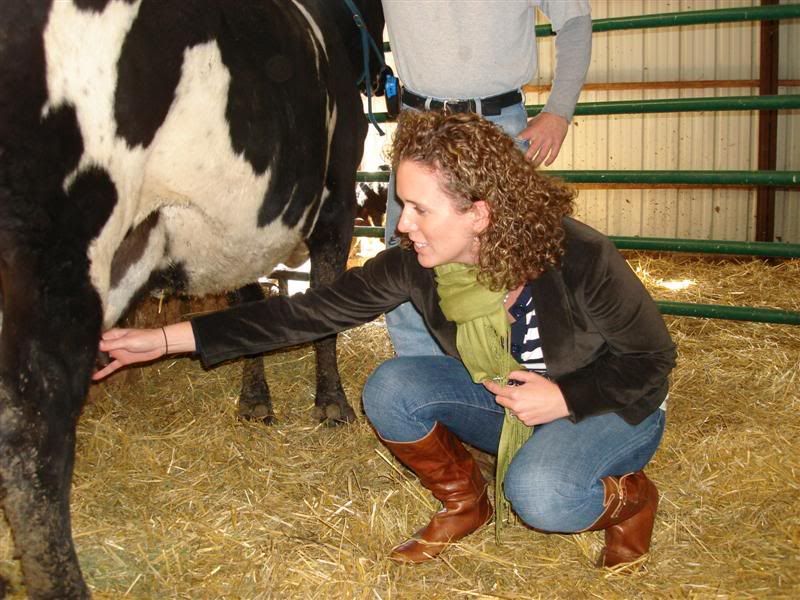
Jen getting the milking tutorial
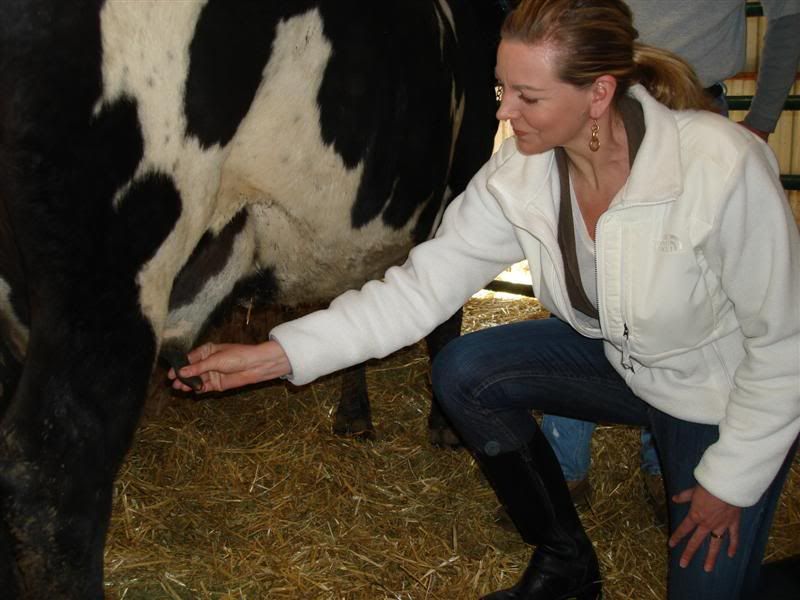

Natalie too

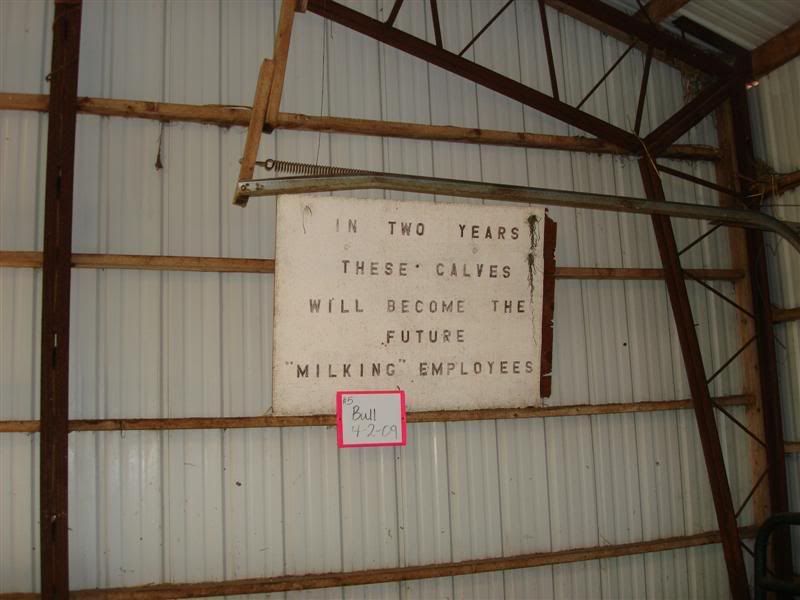
Love this sign over the calves pens
Niche

Gerard Craft, chef and owner of Niche restaurant in the Benton Park neighborhood, is one of 10 chefs on the list of Food & Wine Magazine's Best New Chefs in America. The list was announced in New York. The magazine says that the award — open to people of any age who have been head chefs for five years or less — recognizes "America’s next superstar chefs who are innovators with a distinct culinary style and vision creating exceptionally delicious food."

"What we look for is a chef who is pushing the boundaries in some way — who will change the focus of food in the future," said Food & Wine editor-in-chief Dana Cowin in a telephone interview. "At the same time, the food still has to taste really good."

Craft, 28, came to St. Louis from Salt Lake City in 2005 to open Niche at 1831 Sidney Street. "I still to this day don’t really know how I ended up in Benton Park," said Craft by telephone from New York. "I was always surfing the Internet looking for property, and I just liked what I saw in St. Louis. Then I found out that people like Larry Forgione (An American Place) and Kevin Nashan (Sidney Street Cafe) were moving there."
Joe Bonwich
ST. LOUIS POST-DISPATCH


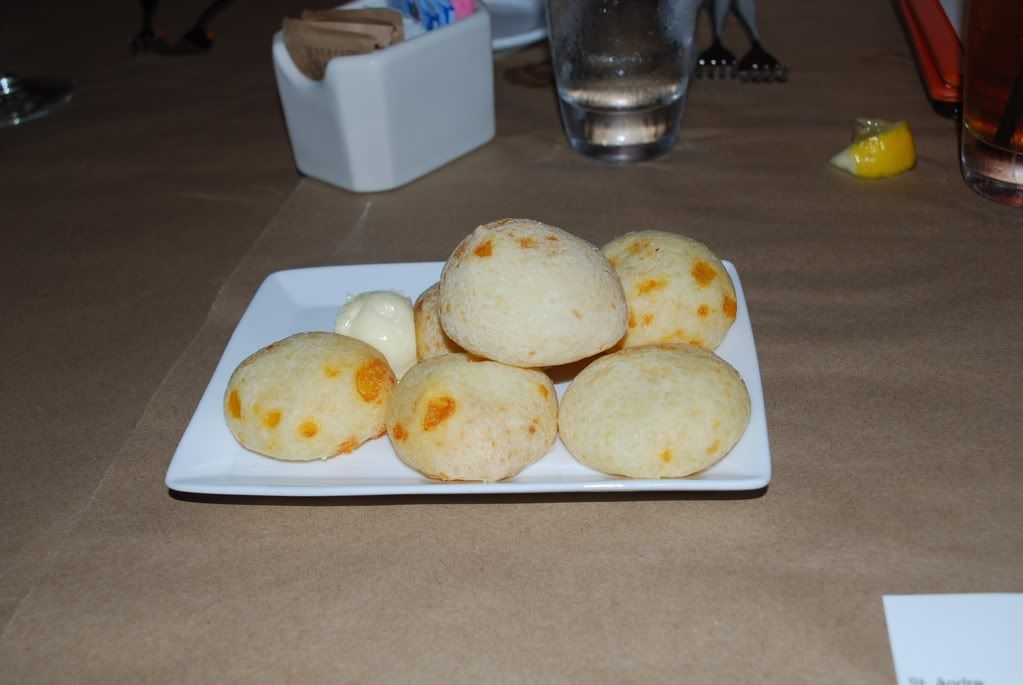
Dia's cheese bread


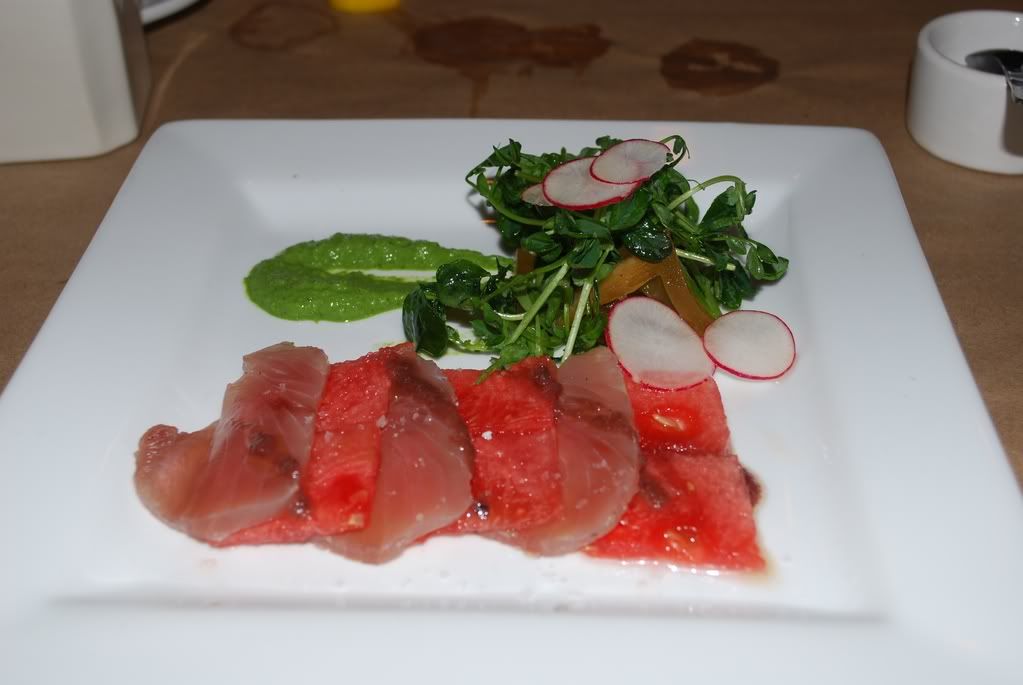
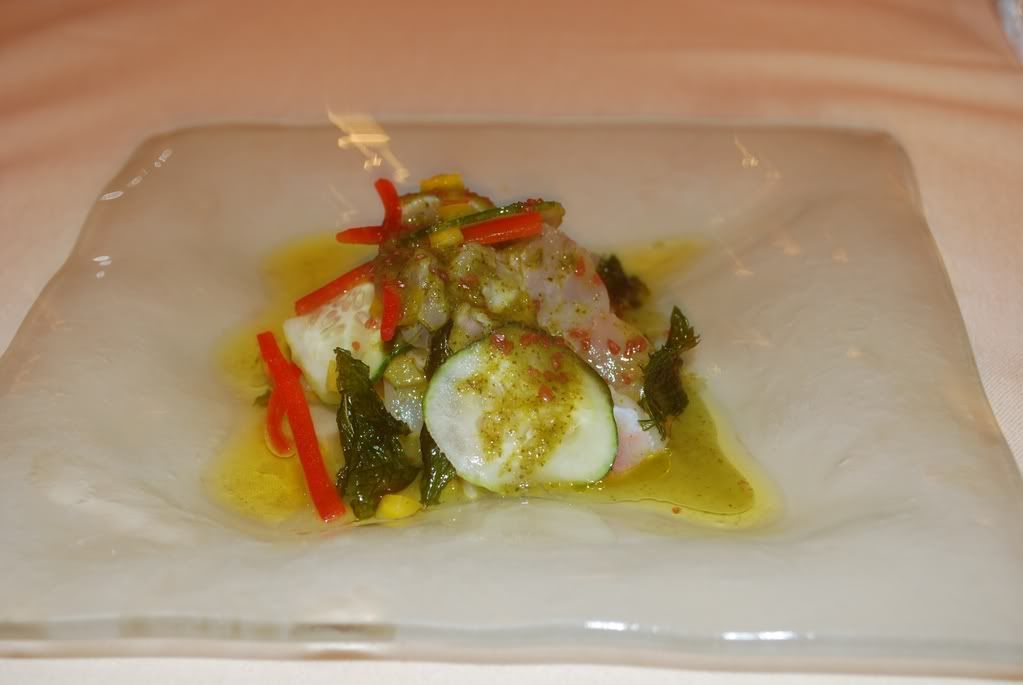
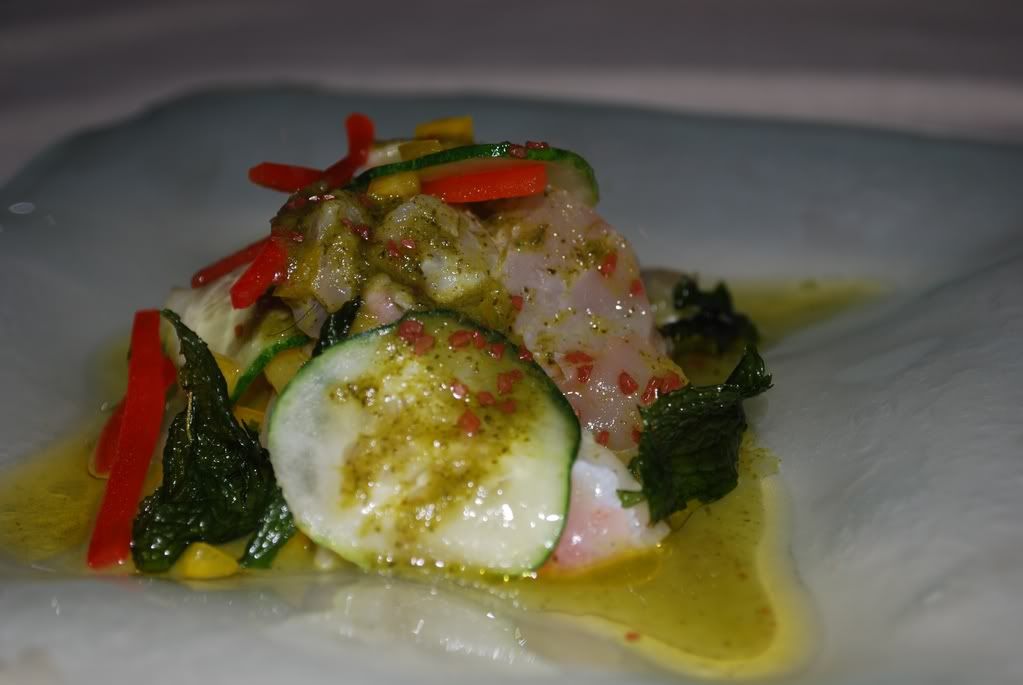
Blackfin tuna cruda
watermelon, basil, black olive vinaigrette


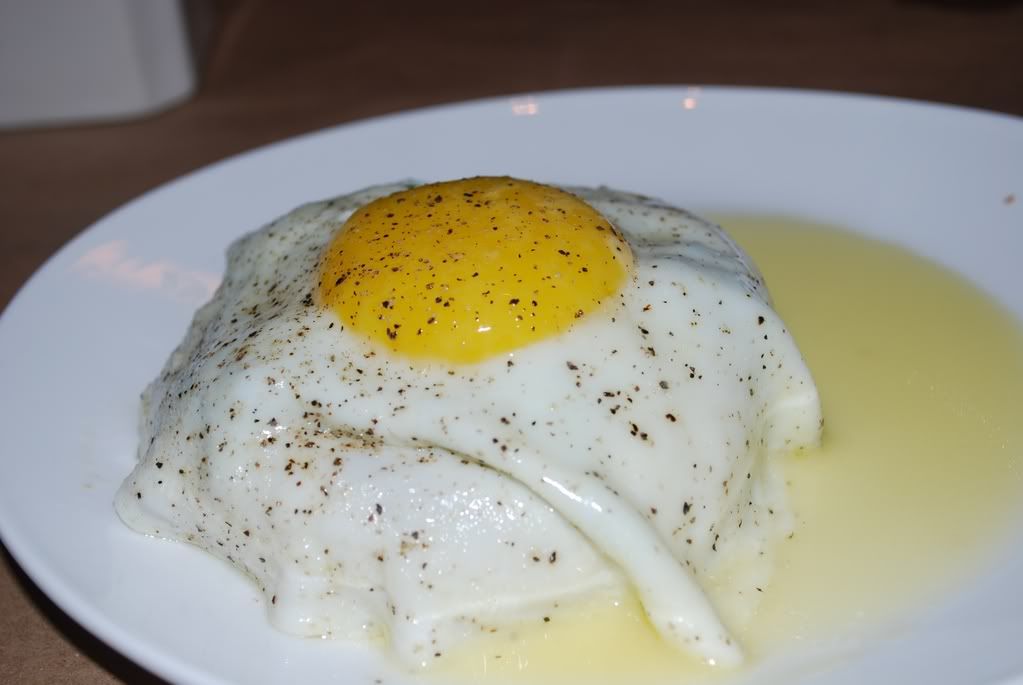
Pan fried brandade
egg, arugula, mustard greens

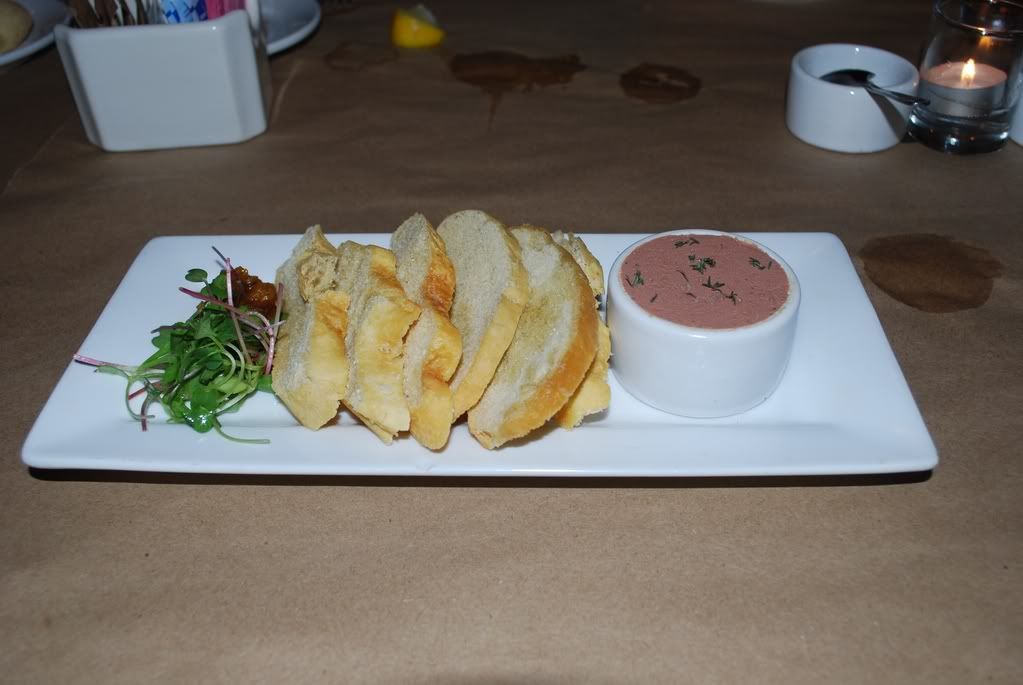
Chicken liver terrine
citrus-date compote, mixed greens

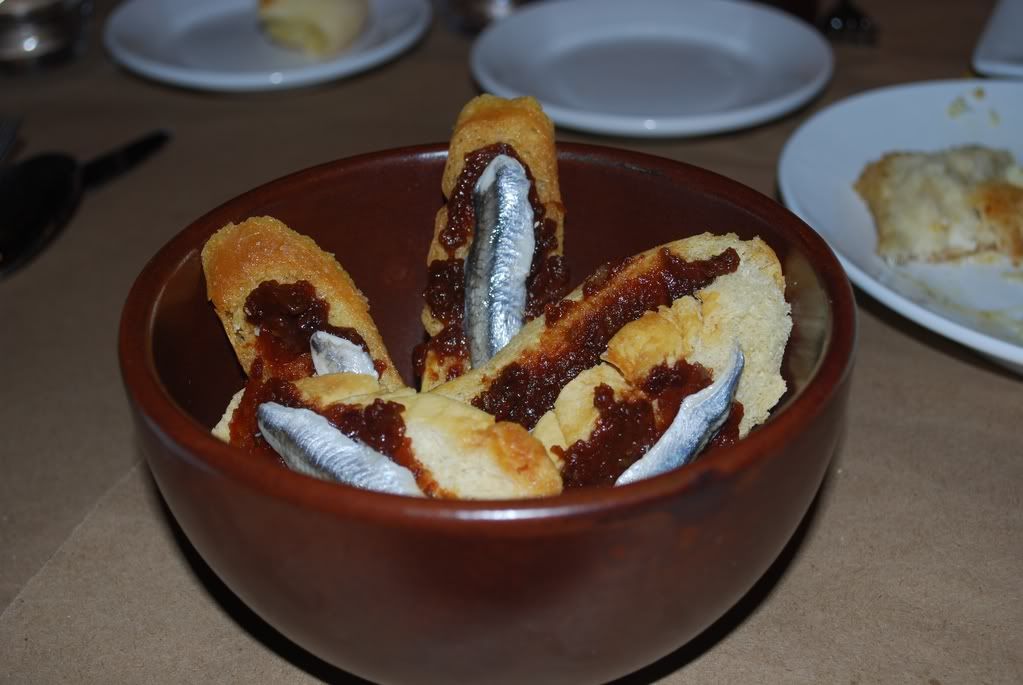
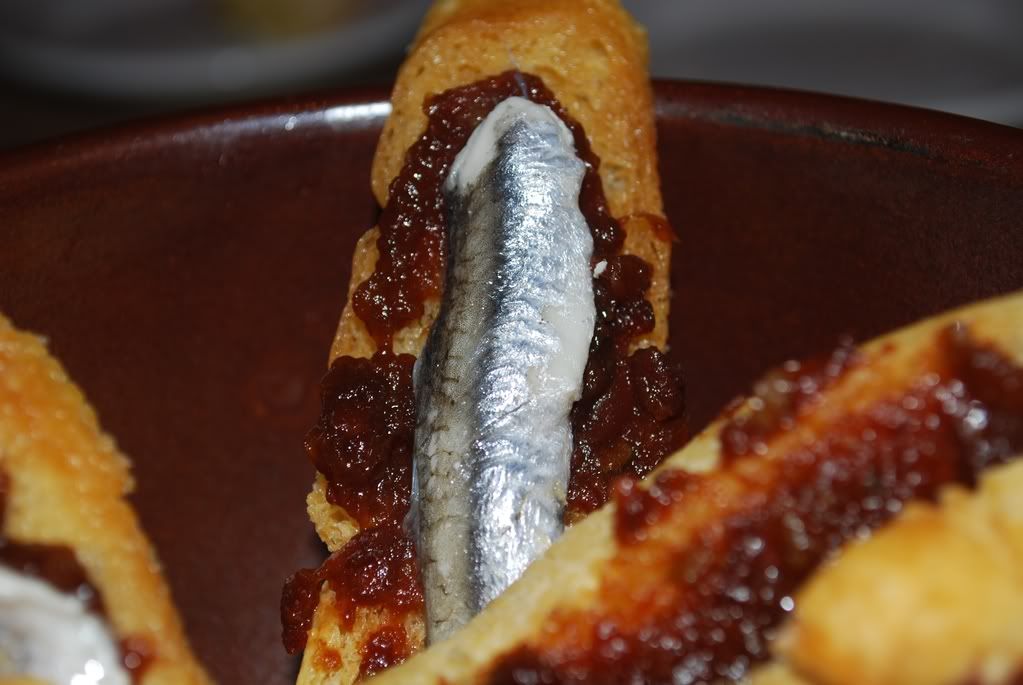
White anchovies
toast, tomato jam


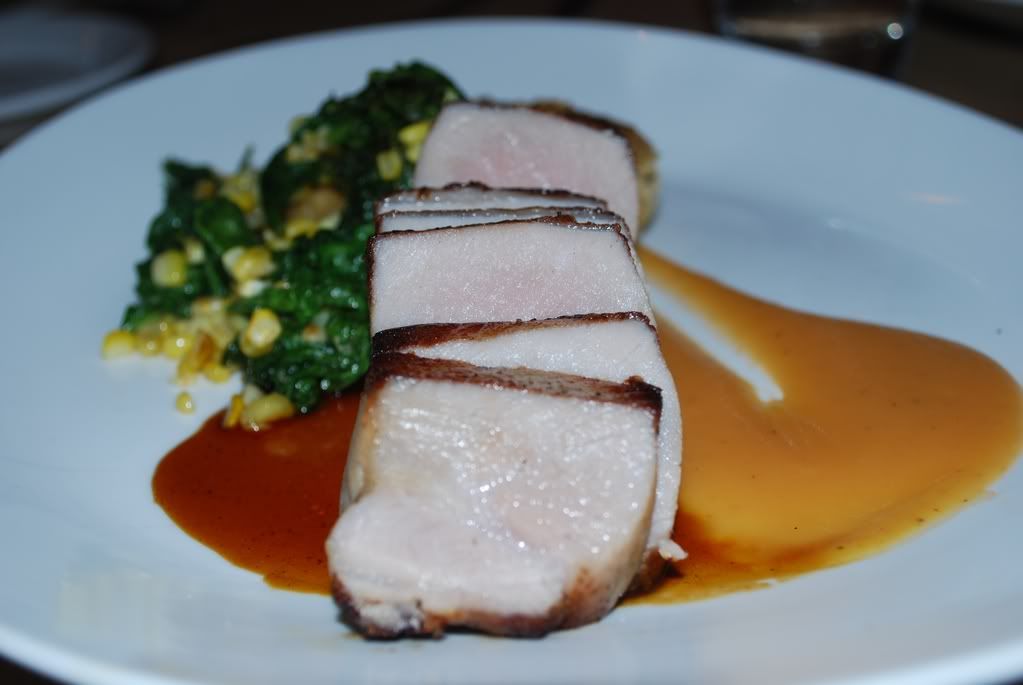
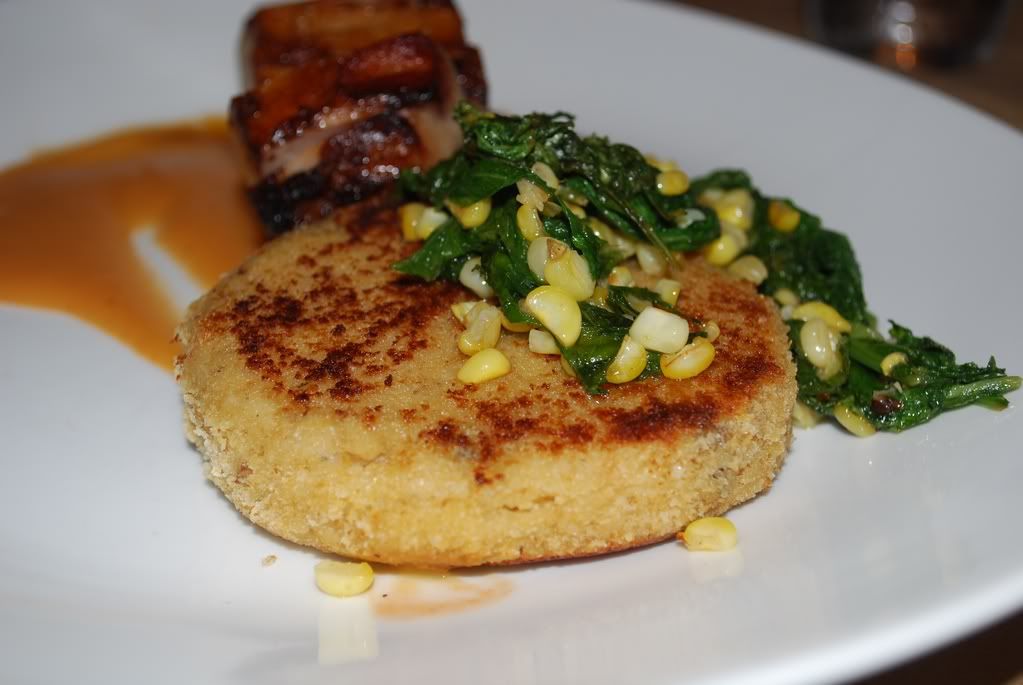
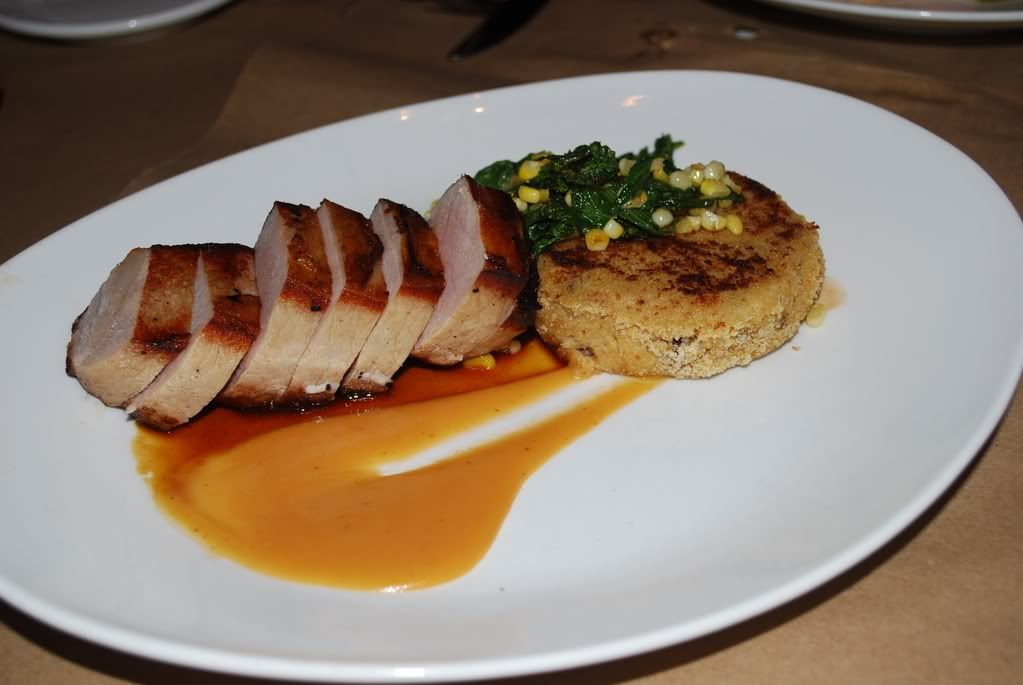
Pork loin
pan fried grits, corn, mustard greens, peach, sherry vinegar jus


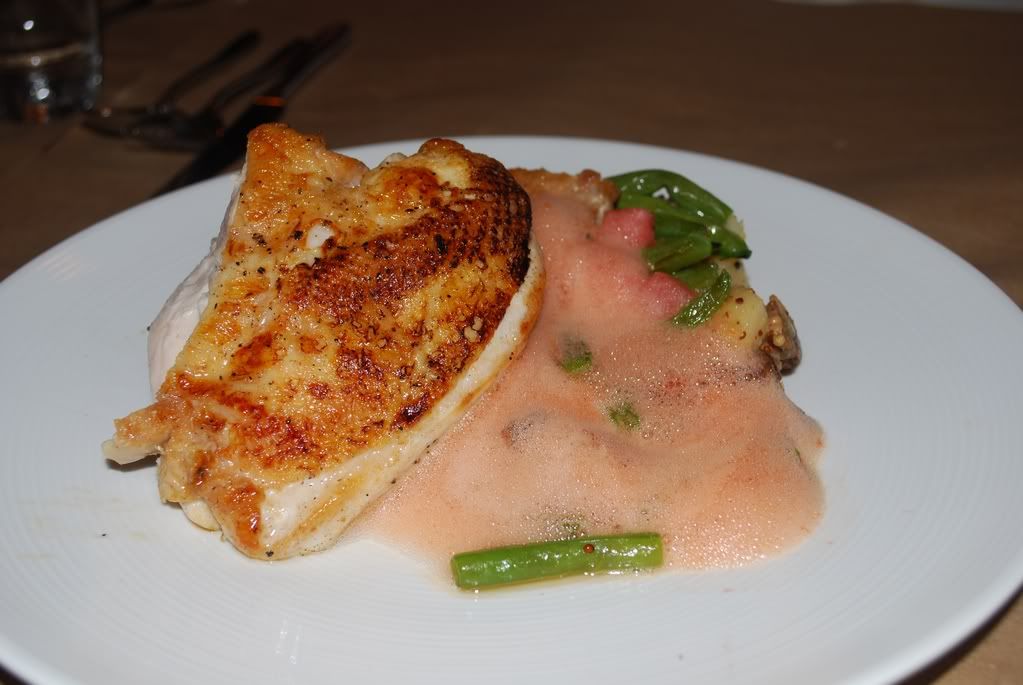
Roasted chicken
warm potato salad, smoked bacon, green beans, watermelon


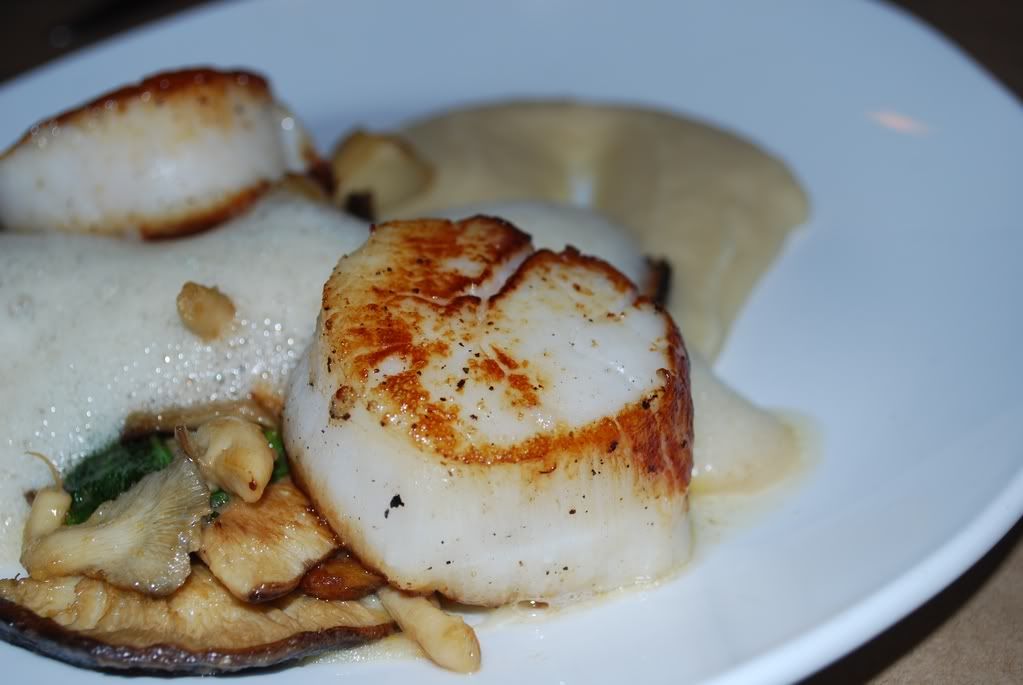
Seared scallops
roasted mushrooms, sunchoke-potato puree, greens, brown butter


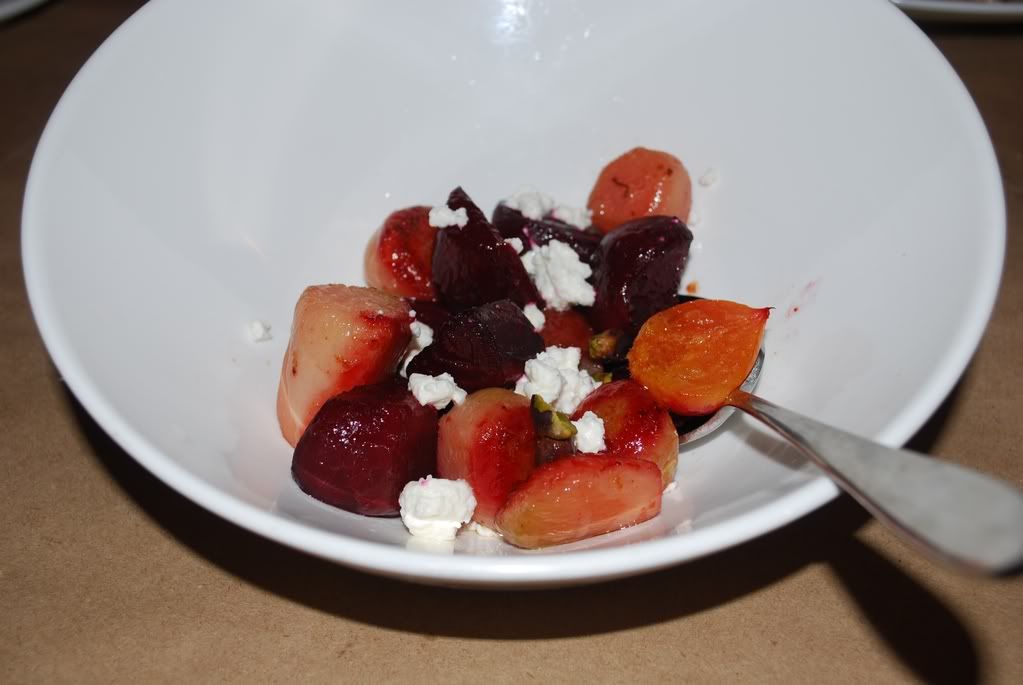
Roasted beets
feat, pistachios


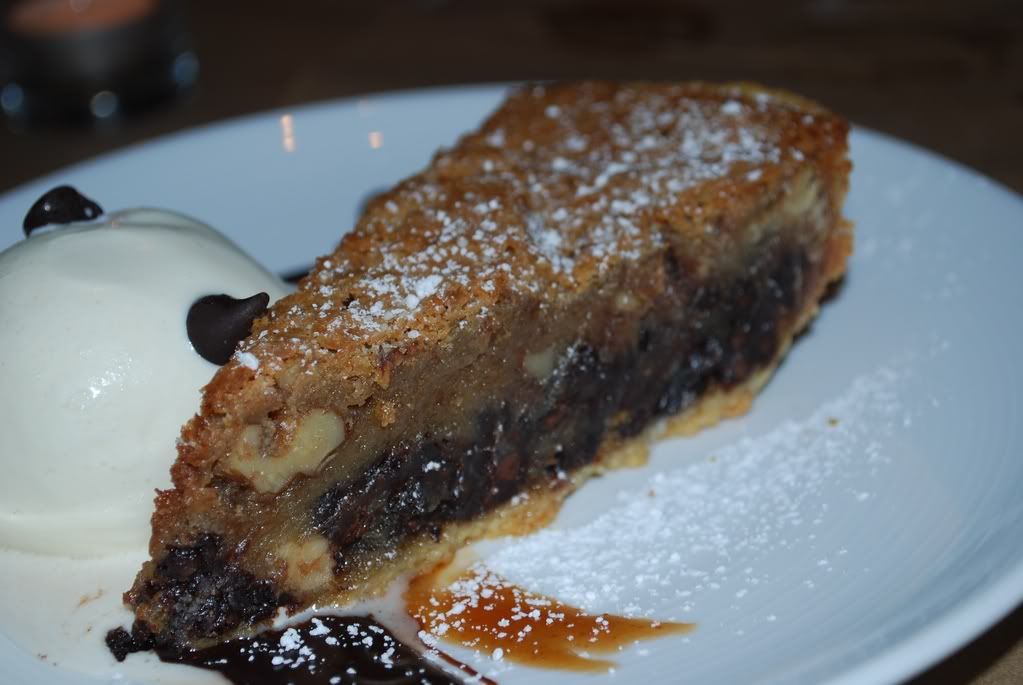
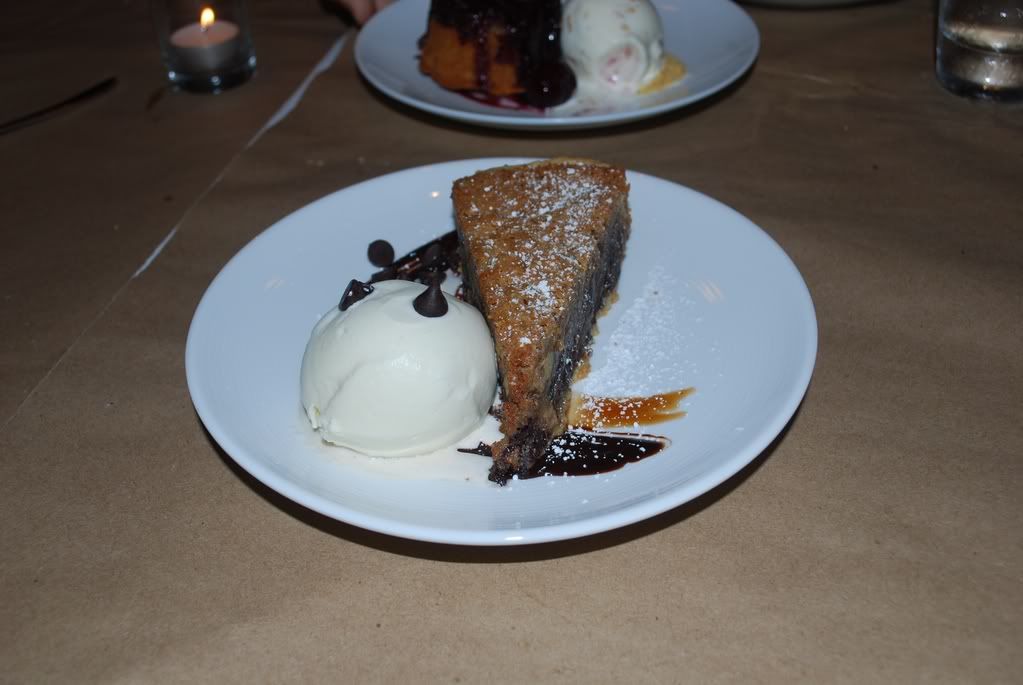
Tollhouse pie
ice cream, caramel, hot fudge


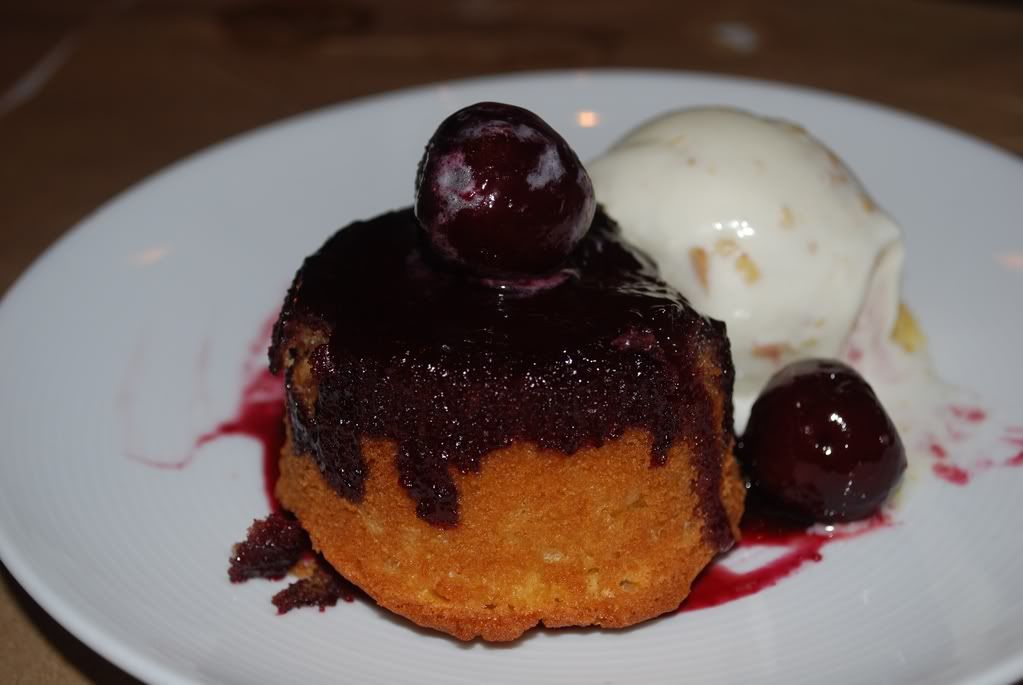
Cherry upside-down cake
toasted almond ice cream


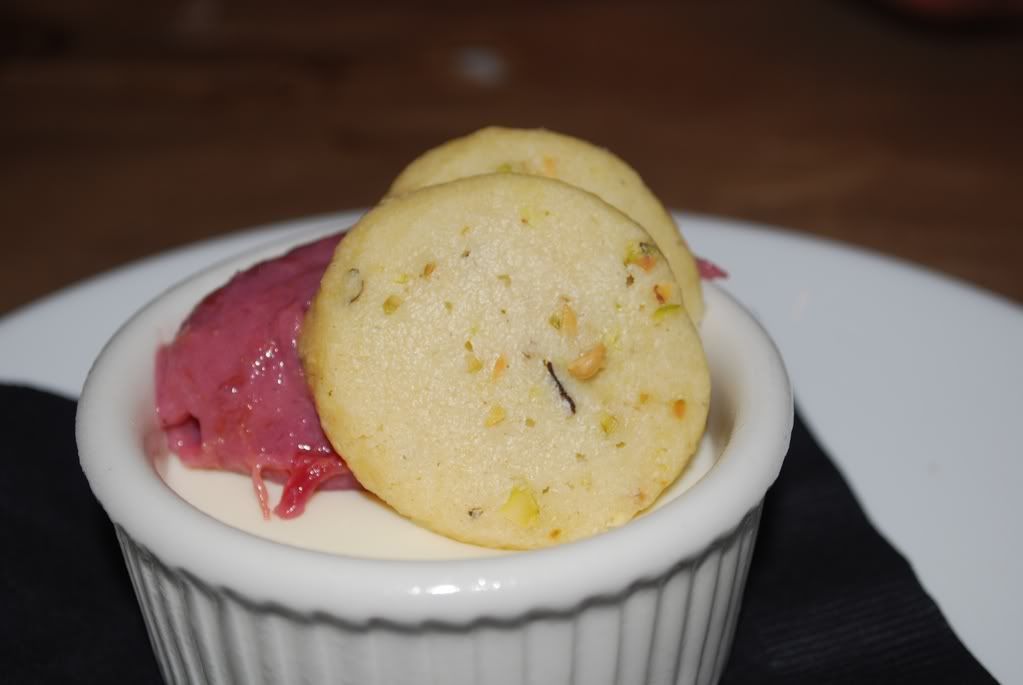
Greek yogurt pudding
rhubarb, pistachio shortbread


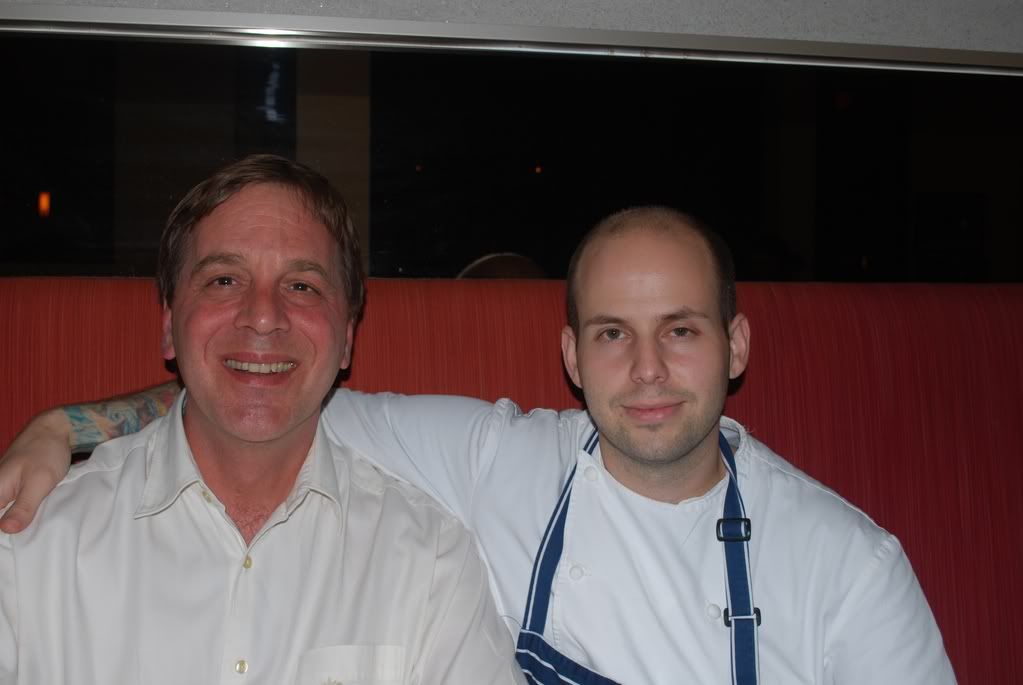
Chef Gerard Craft and myself

An American Place

Since the mid-1980’s, Larry Forgione’s name has rarely been mentioned in the press without “The Godfather of American Cuisine” tacked onto the end of it. The Italian American Forgione didn’t acquire his Mafioso-like designation by sending bloody heads of dead animals to competing chefs, unless you count an occasional generous delivery of free-range chickens to some close chef friends. About twenty years ago food writer John Mariani wrote that if James Beard was the Father of American cuisine, Forgione was certainly the Godfather.

New York Restaurant Insider
Matt DeLucia
January 1, 2008

Lemoncello and mint ceviche
fresh seafood with a cucumber and red onion relish


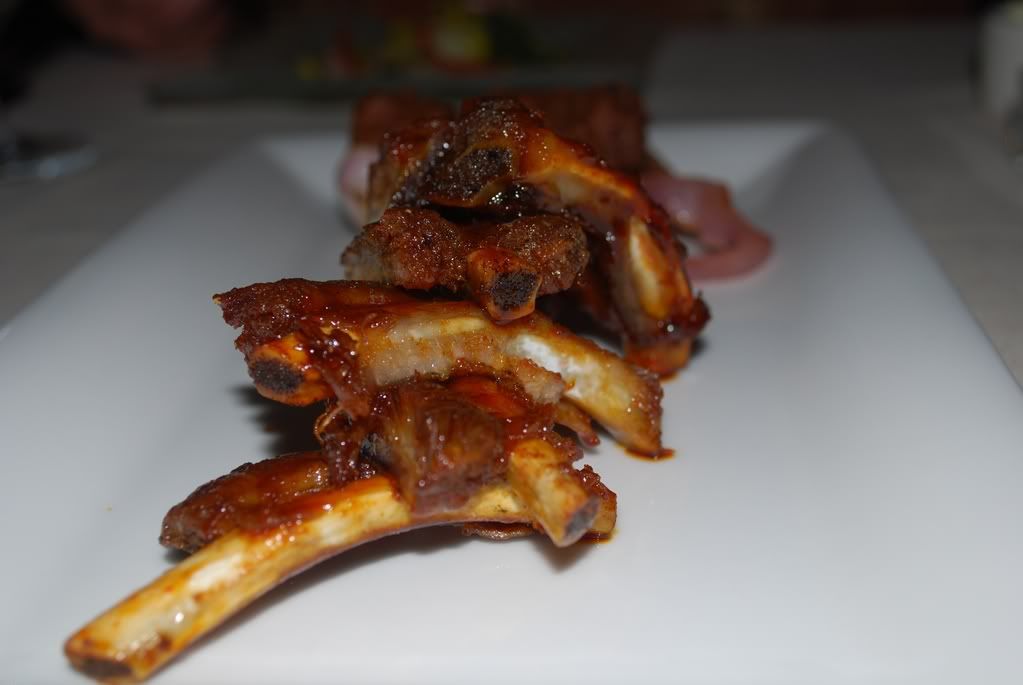
Housemade rootbeer glazed ribs
grilled red onions, blue corn fritters


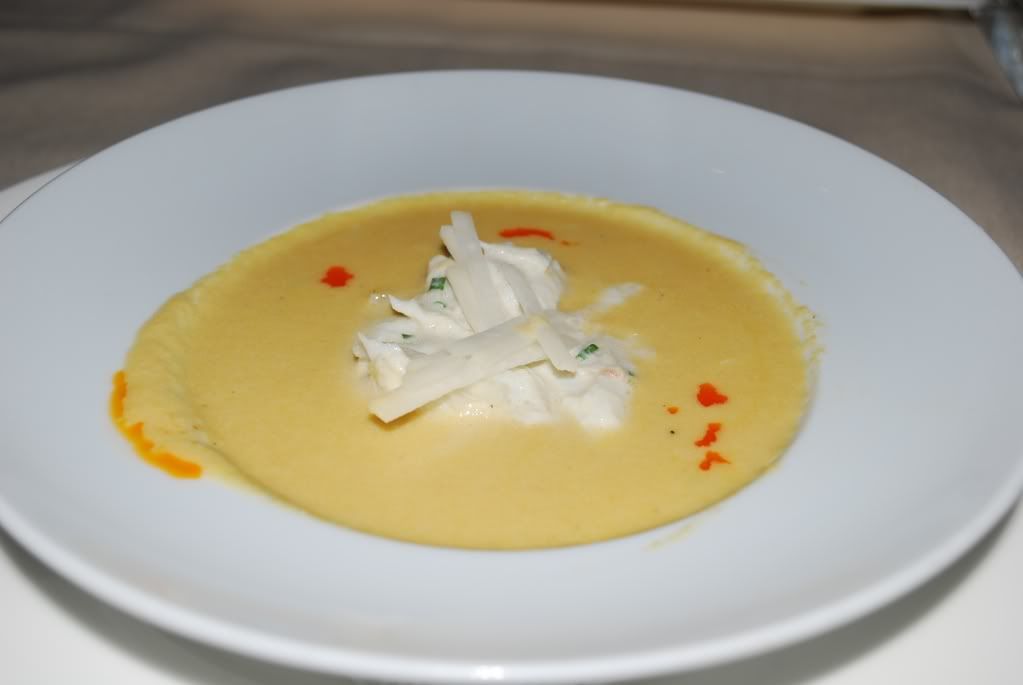
Grilled sweet corn bisque
chive creme fraiche, jumbo lump crabmeat, shaved jicama salad


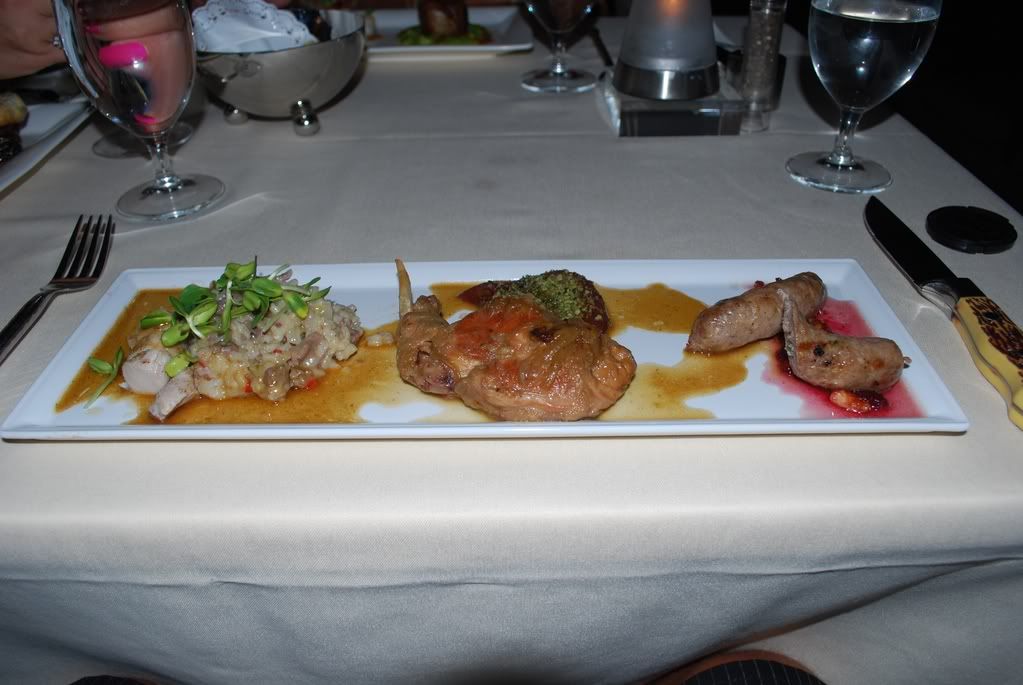
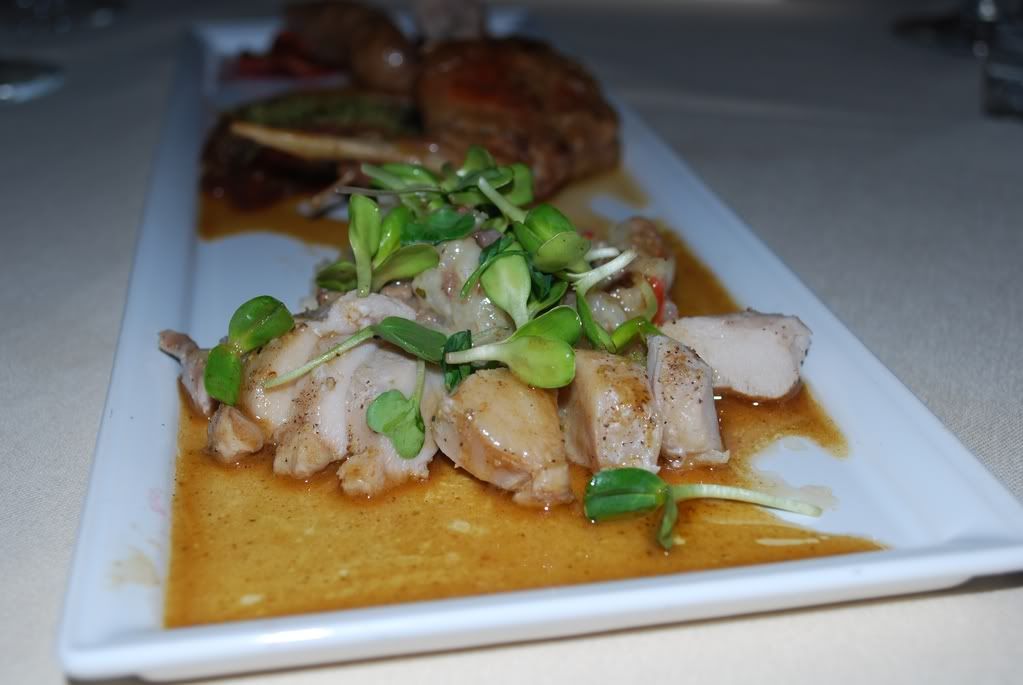
Trio of rabbit
smothered leg, sage sausage with cherry compote, oil poached loin and dirty rice


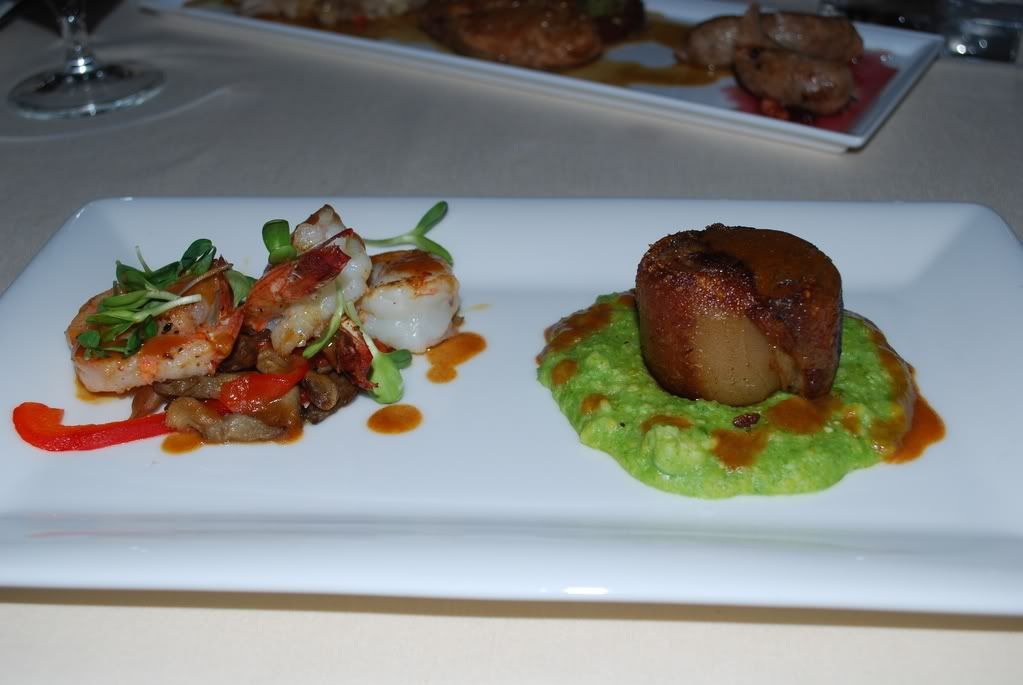
Shrimp and grits
ramp green grits, mushroom stuffed trotter, cardinale sauce


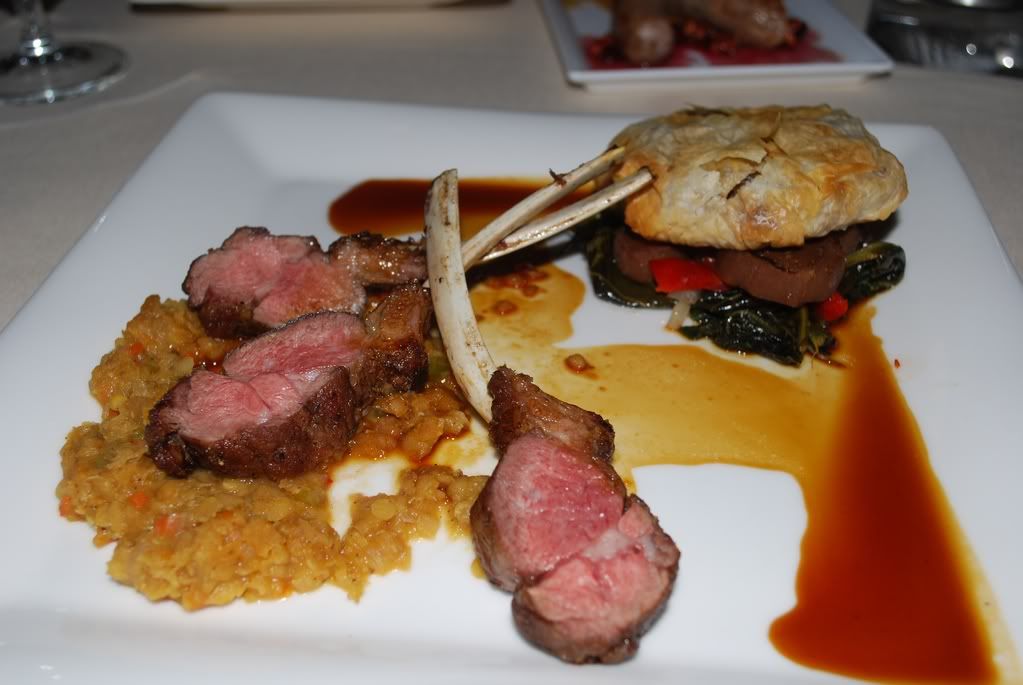
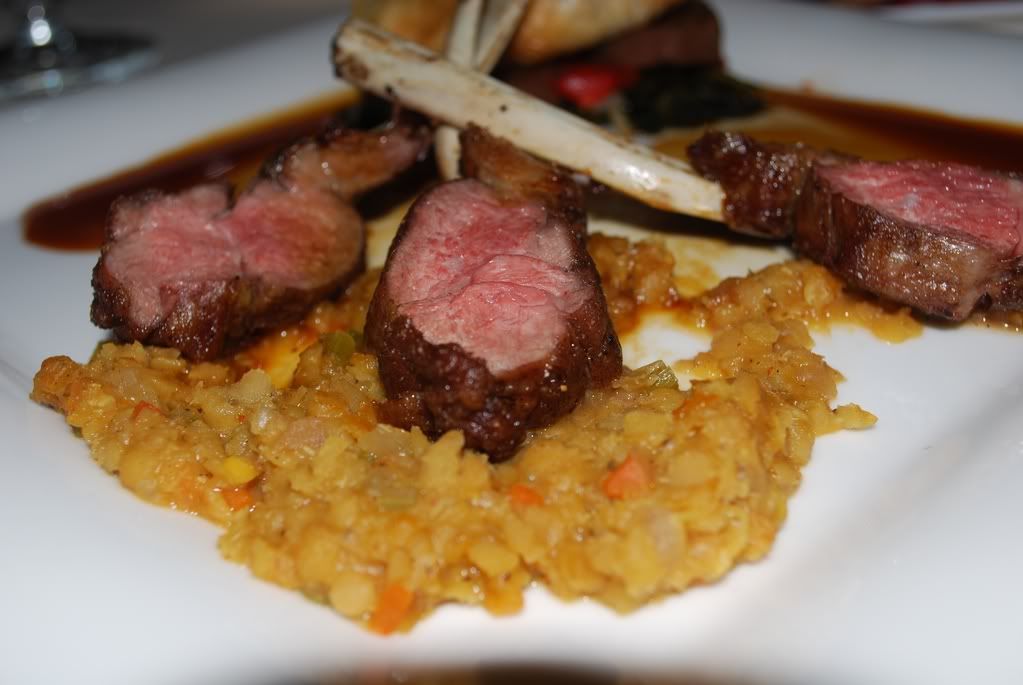
Prarie Grass farm lamb duo
grilled eggplant, berbere, crimson lentils, phyllo wrapped shoulder


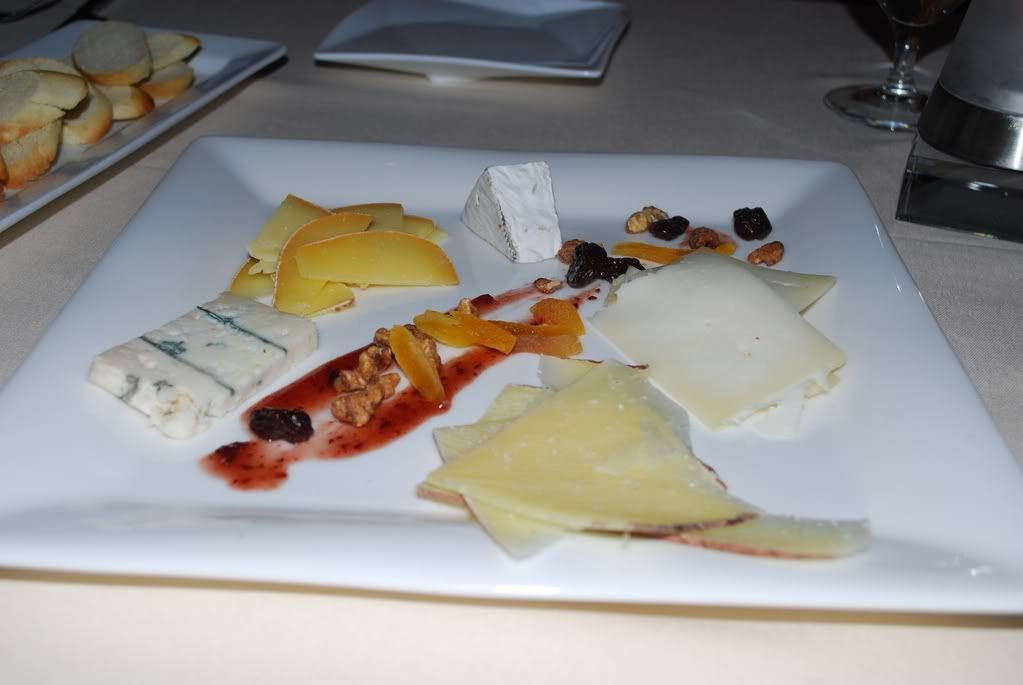
Tasting of American Farmstead Cheese


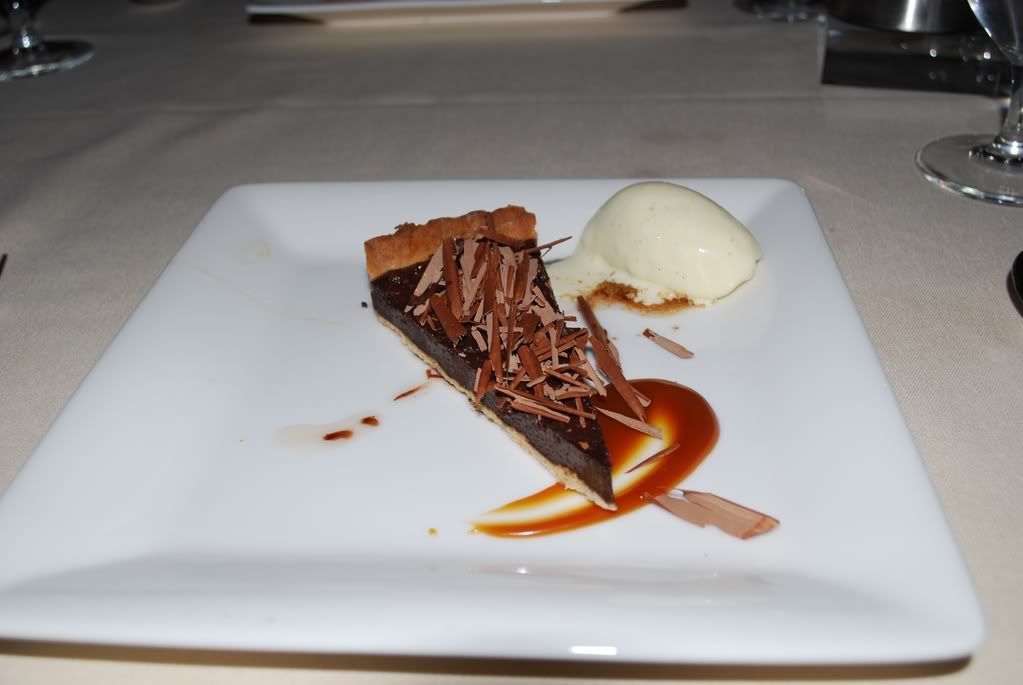
Dark chocolate tart
caramel, hazelnut oil, vanilla ice cream


Summer berry pudding
apple saba, honey sorbet, basil seed tuile


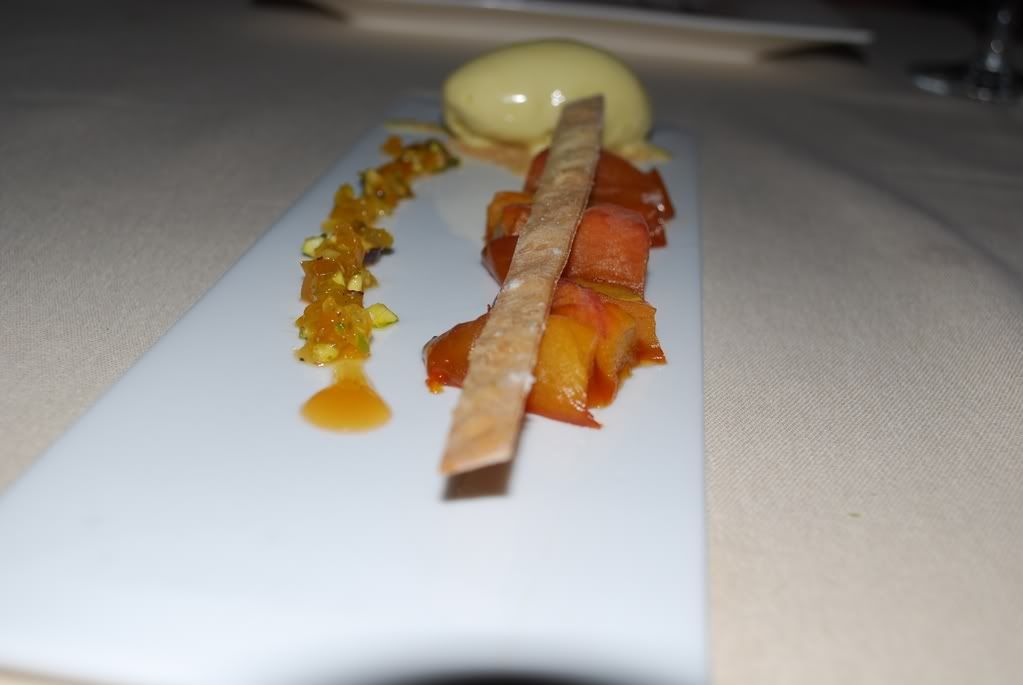
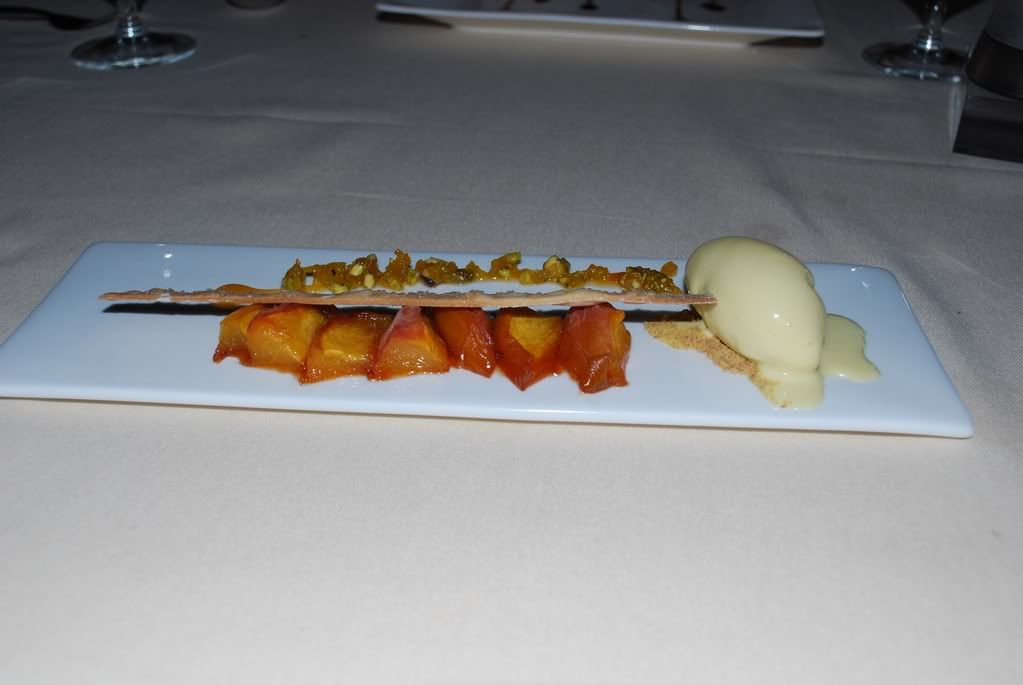
Caramel roasted apricots
peach butter, sweet pie crust, peach leaf ice cream

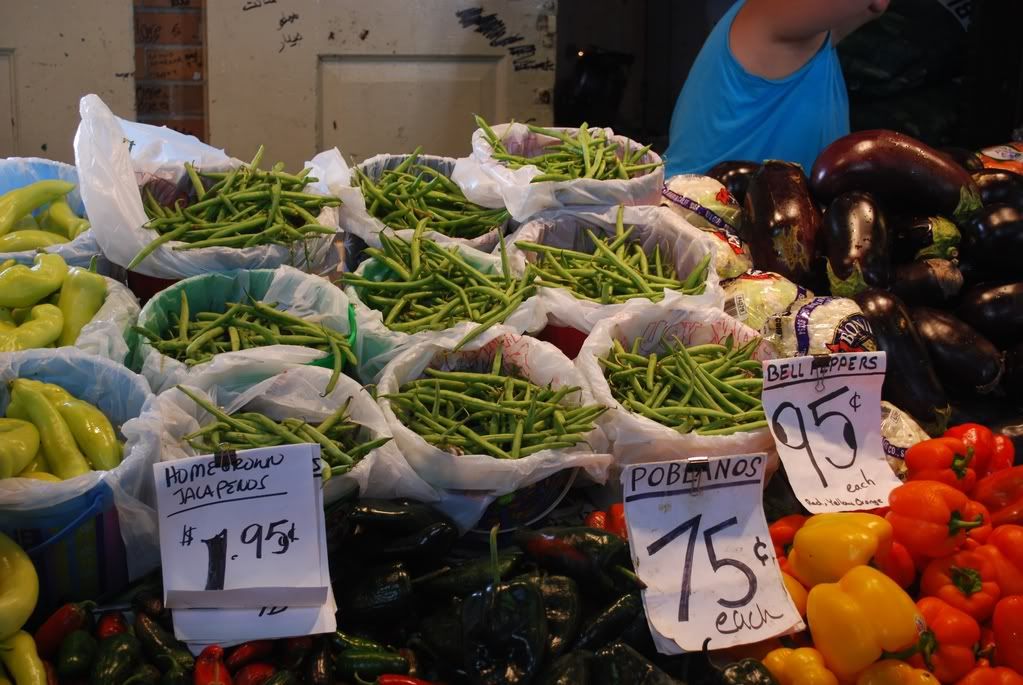
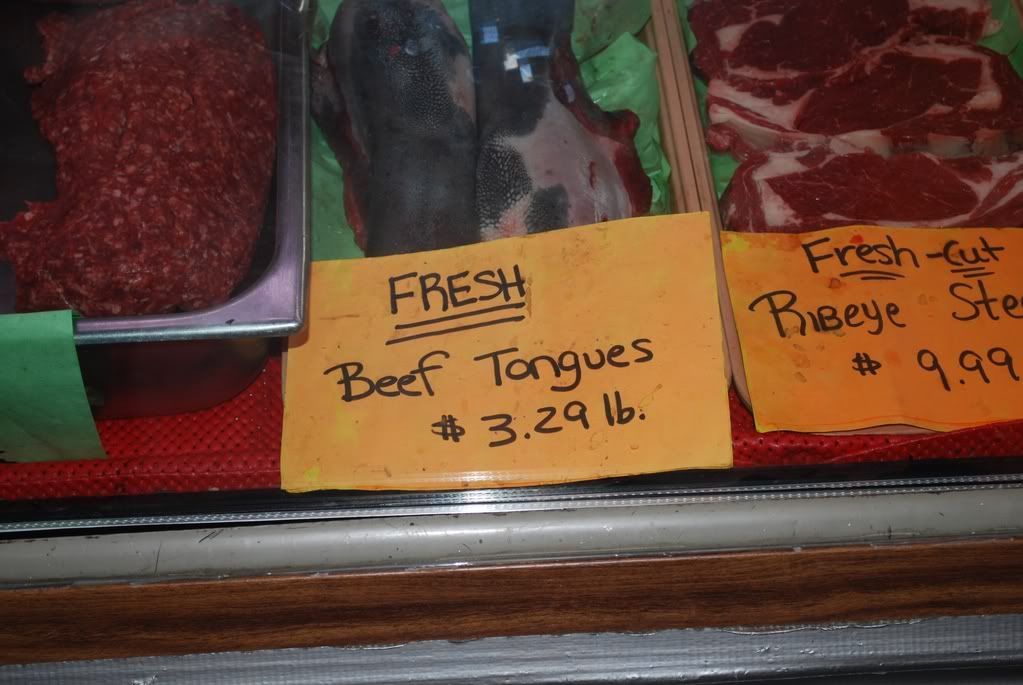
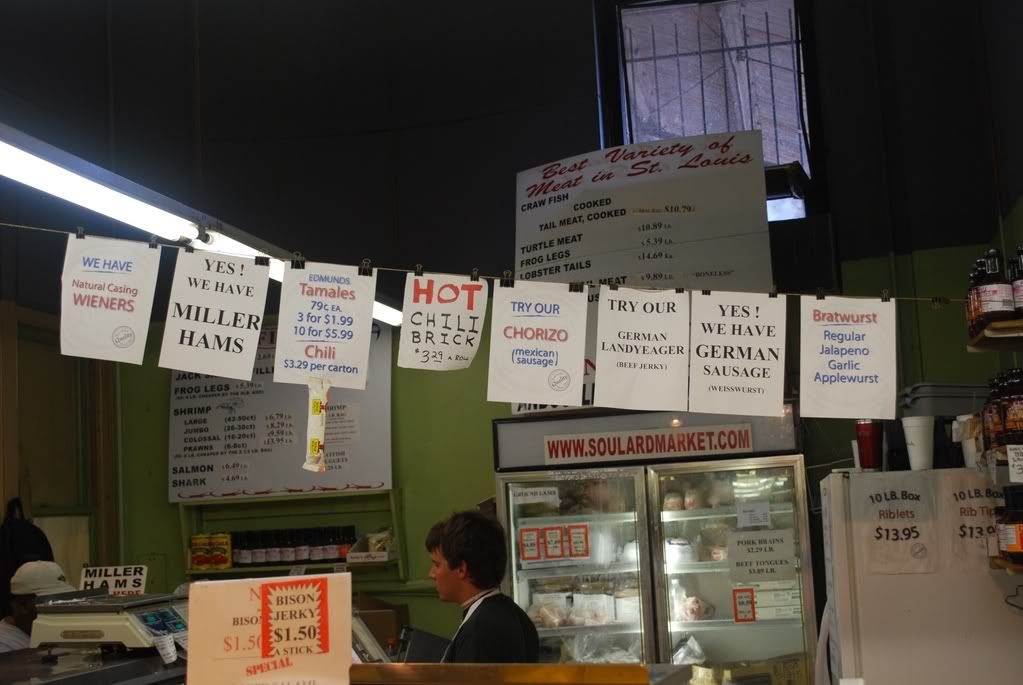
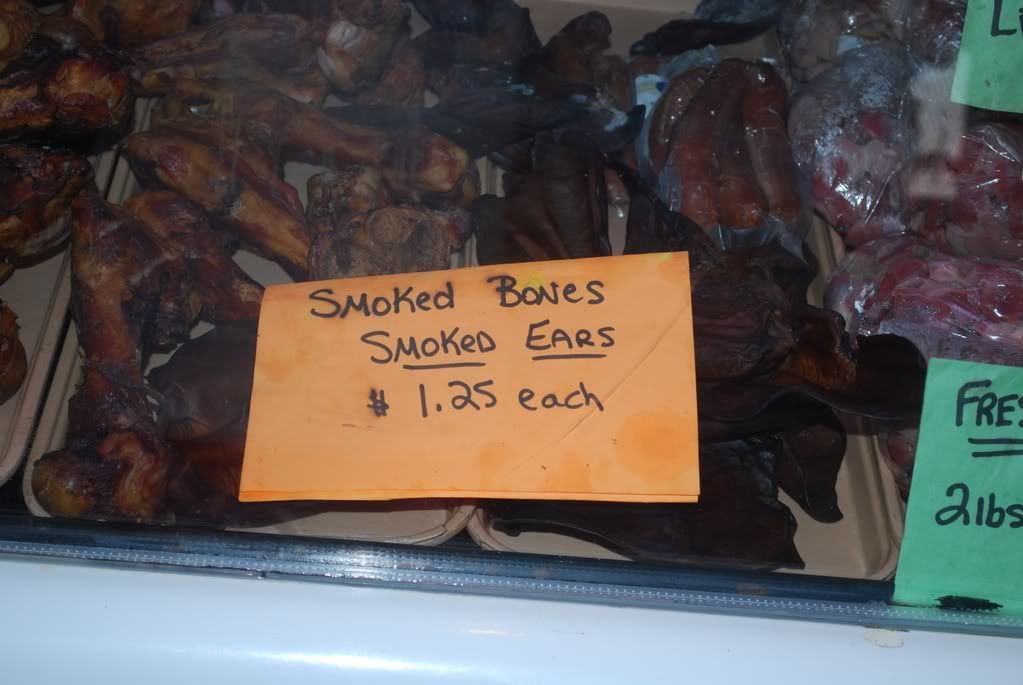
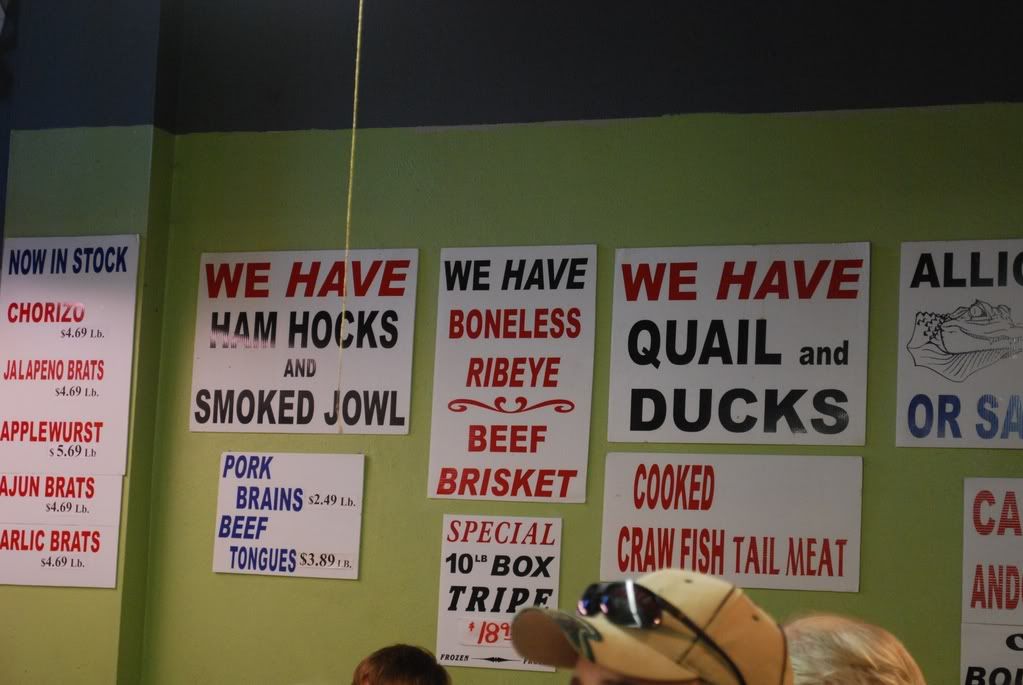
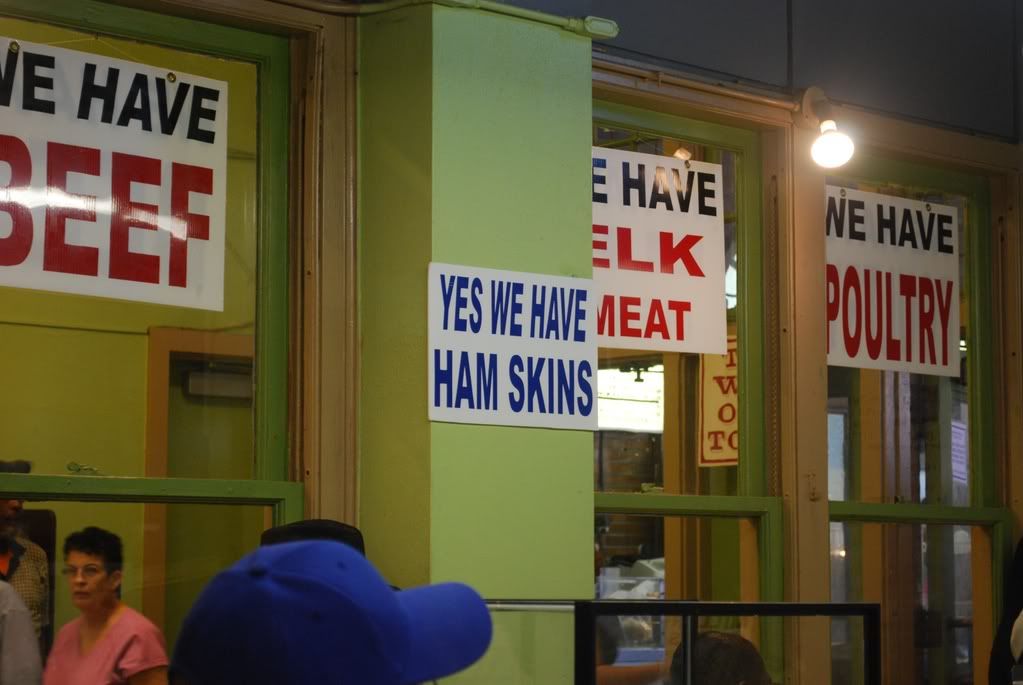
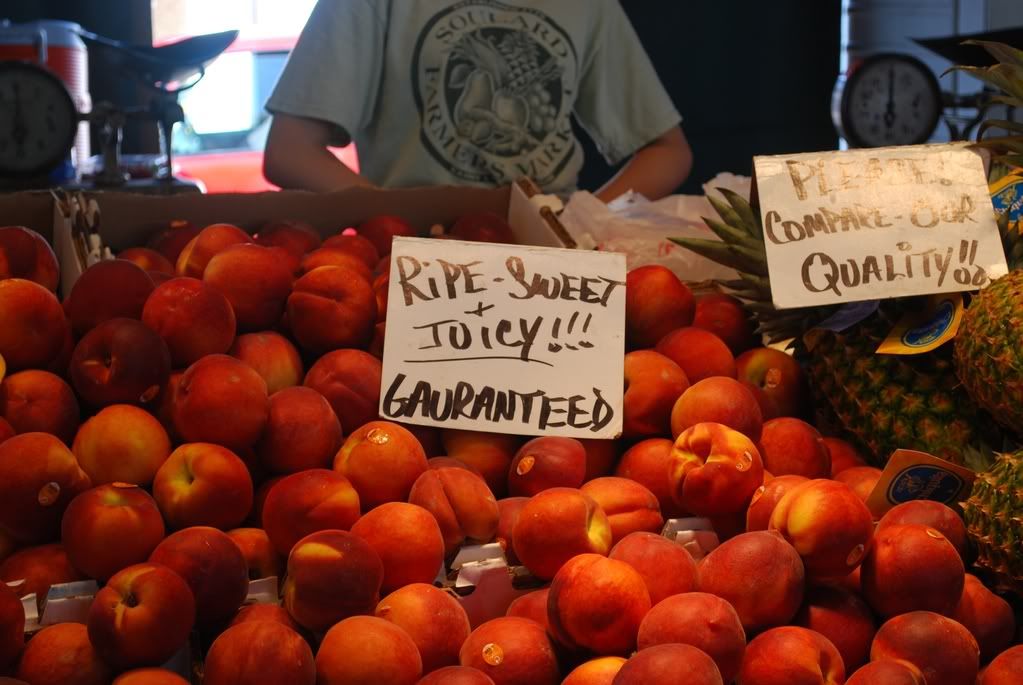
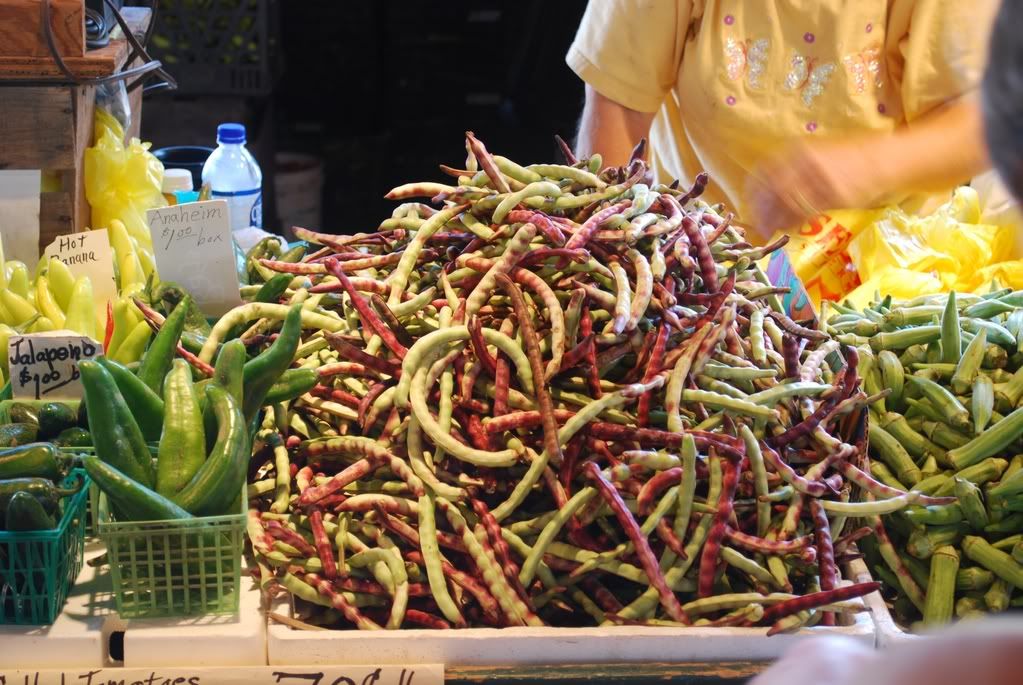
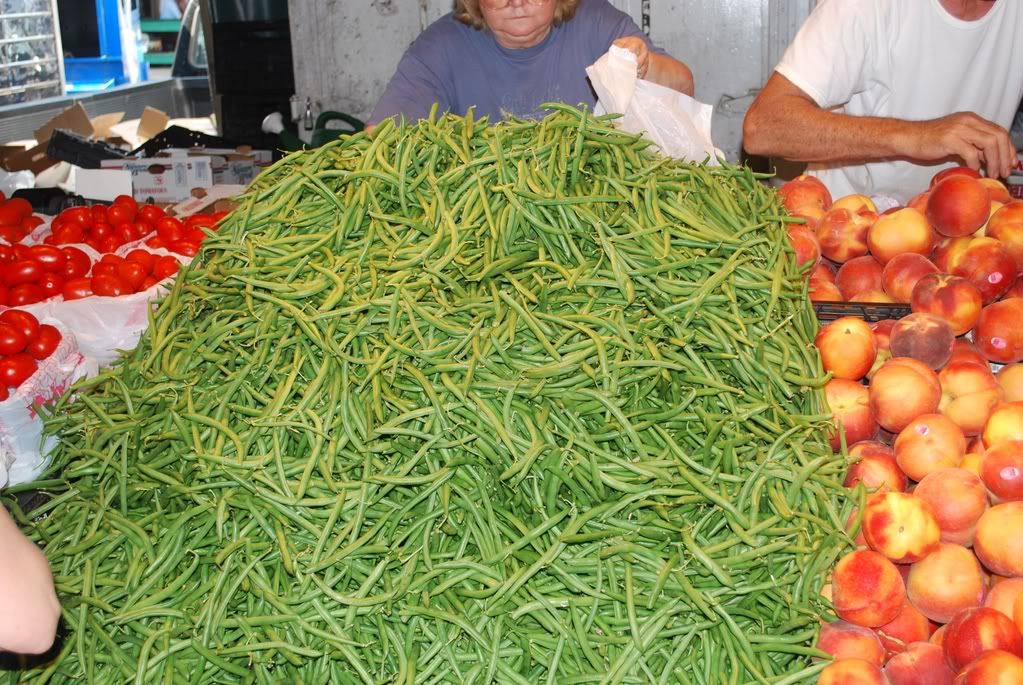
Soulard Farmers Market

Soulard Market is the oldest farmers market,west of the mississippi. Soulard Farmer's Market is named for Julia Cerre Soulard, who donated the land specifically for use as a marketplace in 1838. The first structure was built on the site in 1843 by a private joint venture of farmers and vendors, who sold shares to build a one-story red brick building on the eastern of the two half blocks.

During the Civil War years the local military commander declared martial law throughout the city. The grounds of Soulard Market were pressed into duty as a military encampment of pro-Union guards, charged with enforcing martial law. Since then the market has had a long and varied history, through tornado damage, urban beautification during the "City Beautiful" movement of 1909-11, the construction of a new building in 1928-29, the threat of demolition for new development, decline into slum conditions, and comeback beginning in the 1970s